

Have You Thanked an Earthworm Lately?

Earthworms are surprisingly diverse creatures that play a big role in the health of soils. Why does soil health matter? The food we eat grows in soils around the world, and organic solutions to improving soil health are much preferred to artificial ones. Most people are familiar with these _____1____, stretchy creatures from childhood. Maybe you know the big ones as ‘nightcrawlers.’ Or perhaps you’ve encountered them in garden soils. Upon closer inspection, earthworms are odd creatures living a life underground, but not out of mind. Whether we appreciate it or not, we all rely on the work of the slimy, dirt-eating worm.

The Wonders of Worms
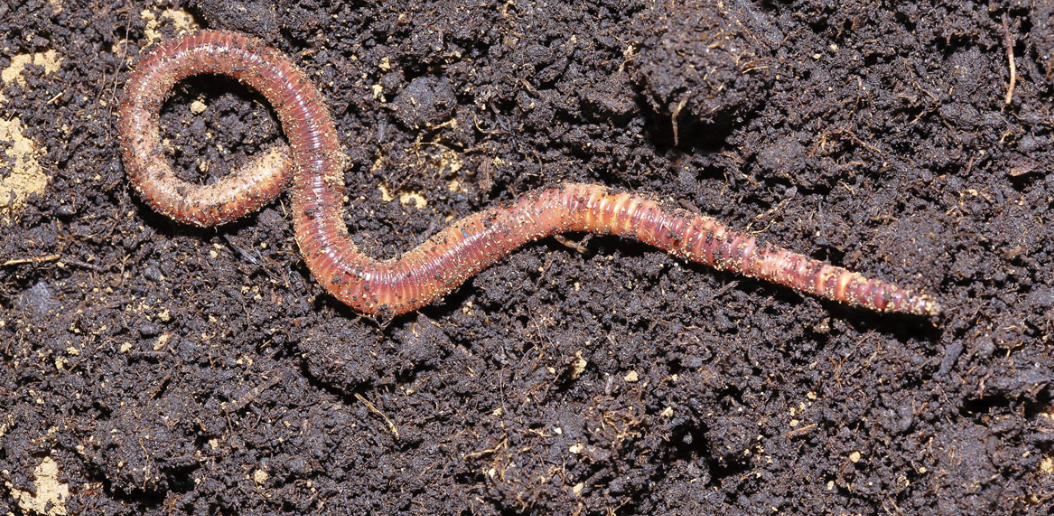
Earthworms live in temperate and tropical climates across the world. Although we often speak of earthworms as one type of organism, there are over 7,000 species known to science that represent 23 families in taxonomy, the organization of life. Worms are not insects; they belong to a separate group called _____2____. DNA and fossil evidence suggests that the common ancestor of all earthworms lived about 200 million years ago. That’s before T. rex, and even before the evolution of flowering plants. They all have a tube-shaped body plan with segmentation. Worms breathe through their _____3_____, living and breathing with the soil they inhabit. They are hermaphrodites, which means that one worm has both male and female sex organs. As _____4_____, they don’t have bones, but internal fluid-filled areas called coelum chambers maintain body structure and rigidity. Most worms are a few inches long, but the largest in the world, the Mekong giant worm (Amynthas mekongianus), grows up to ____5____ feet in length.
There are three ecotype groupings of earthworms based on habitat, ecology and body form. All are decomposers that break down dead plant and animal matter, but there are differences in specific preferences in feeding and habitat. Anecic earthworms make ____6____ burrows in soil that they remain in for life. Their deep burrowing mixes the soil, ultimately helping to improve soil health. Some can reach 9 feet beneath the surface, nearly to the bedrock below. They drag leaves from the surface into their burrows to feed on. They also cast feces on the surface, where little mounds of pellet-like droppings are visible around the entrance to the burrow. Anecic species are the largest species of earthworms in many parts of the world.
Endogeic earthworms eat soil. They make reusable horizontal burrows in shallow regions of the soil. Endogeic earthworms are typically gray or pale brown, and some are even yellow or blue. A few species can burrow very deep down, but most remain near the surface. Recent research shows that endogeic worms play a big role in shaping the _____7_____ diversity of healthy soil.
Epigeic earthworms live on the surface in leaf litter. These species don’t make burrows but live in and feed on the leaves lying on the forest floor. They also eat the roots of dead plants and the feces of animals. They are the ultimate ____8____. Epigeic earthworms are also often brightly colored.

The slightly different habitats and feeding preferences that are characteristic of each earthworm species make up the niches of earthworm diversity. Together, the thousands of species cycle nutrients and create healthier soils that ecosystems and human agriculture rely on.
In addition to their subterranean importance, they are a favorite meal for hundreds of bird species. _____9____ have been seen eating more than 20 worms per hour. They represent a connection between decomposers and consumers in the food web.
What Do Earthworms Do All Day?
Here are some ways that earthworms play a vital role in the world around them:
Earthworms add beneficial bacteria to the soil. As they eat soil and dead plant matter, the microorganisms in their digestive system are mixed with the organic matter and passed out as feces. This increase in microbial diversity helps the cycling of ____10____ in ways that benefit plant communities that share the same soils.

As earthworms burrow, eat, and eliminate waste, they play a central role in the ____11_____ of the soil. Research shows that a large portion of soil passes through earthworms at some point during each warm season. In just 10-20 years, they completely mix the top six inches of soil. The same mixing increases the ____12____ of the soil. It is a measure of how easily water can penetrate soil. By burrowing throughout the ground, earthworms help water to drain quicker. This not only helps water reach the roots of plants, it also reduces ____13____ from excessive runoff. The addition of digested, fragmented organic matter to the soil helps it to hold water. This helps plants access water long after rainfall, which reduces harm caused by ___14____.
Without worms, the food we eat would be harder to grow. Worms are the key players in the maintenance of soil health. Plants, animals and even bacteria all rely on the underground work of the earthworm. The over ____15____ species of worms shape the world under our feet, and it’s time we acknowledge their contribution to life on Earth.
