

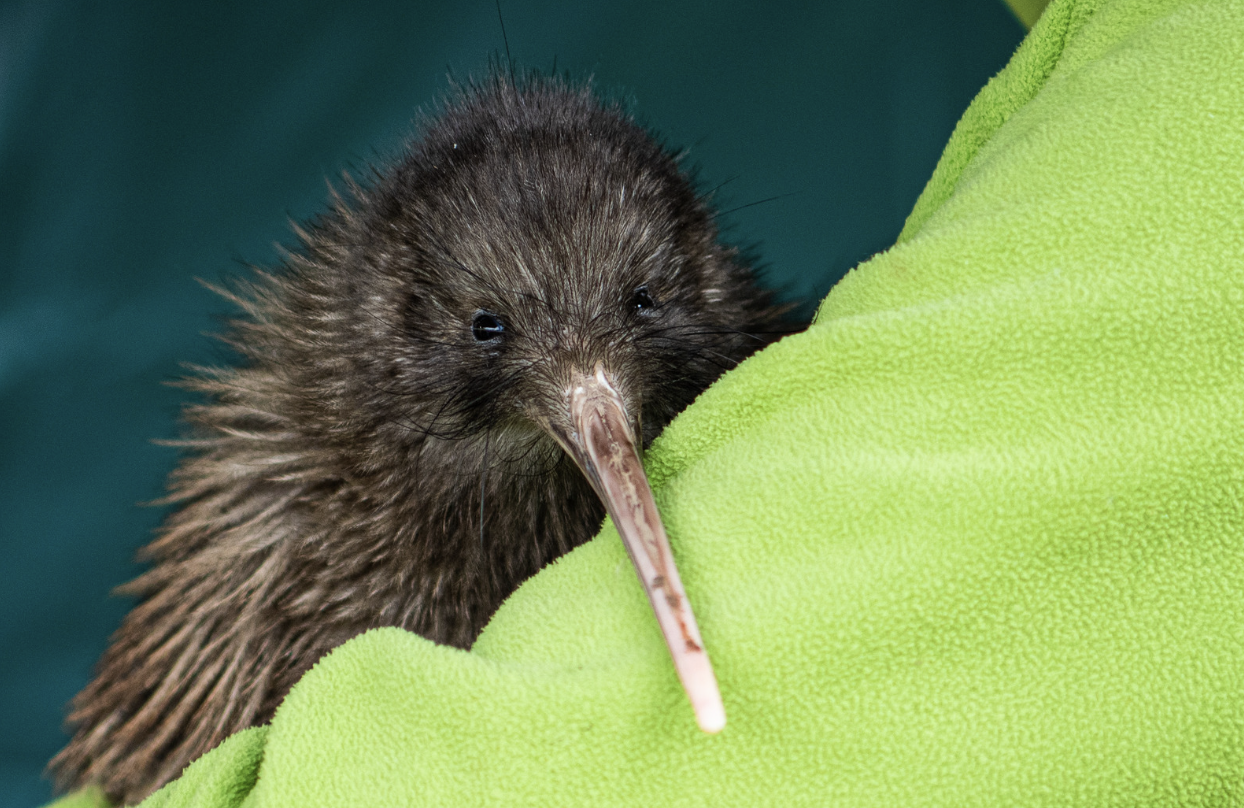
Kiwi Birds: The Flightless Wonders of New Zealand
There’s something special about Kiwi birds. They are the flightless wonders of New Zealand, and they have a lot to offer tourists and bird enthusiasts alike. These unique creatures are unlike any other in the world, and they are well worth getting to know better. In this article, we will discuss everything you need to know about Kiwi birds, from their physical characteristics to their behavior in the wild. We’ll also explore some of the conservation efforts that are being made to protect these beautiful animals. So if you’re interested in learning more about Kiwi birds, keep reading!
Kiwi birds are small, stocky creatures with long beaks and short legs. They are covered in feathers that range in color from brown to black, and they have a distinctive _____1____ on their heads. Adult Kiwi birds weigh between two and five pounds, and they can reach lengths of up to two feet. Despite their size, Kiwi birds are actually quite _____2____ animals. They have been known to kill rats and other small mammals with a single strike of their beak!

Kiwi birds are native to New Zealand, where they live in forests and grasslands. These shy creatures are mostly active at _____3_____, when they search for food using their keen _____4_____. During the _____5_____, Kiwi birds sleep in burrows or dense vegetation. They are _____6_____ animals, and they only come together to mate.

There are _____7____ species of Kiwi bird, and all of them are endangered. The most common Kiwi bird is the _____8_____ kiwi, which has a population of about 20,000. The other four species are the great spotted kiwi, the little spotted kiwi, the Okarito brown kiwi, and the rowi. All of these birds are at risk of extinction due to habitat loss and predation by introduced mammals such as _____9_____ and cats.

Conservation efforts are underway to protect Kiwi birds from extinction. One of the most important things that can be done is to _____10_____. This can be done through trapping and poisoning programs. Another important step is to create safe havens for Kiwi birds, where they can live without the threat of predators. The most successful safe haven so far is _____11_____ in Lake Taupo, where a population of brown kiwi has been thriving for many years.
If you’re ever in New Zealand, be sure to keep an eye out for these amazing creatures! And if you’re interested in helping to protect them, there are many ways you can get involved in conservation efforts. Every little bit helps when it comes to saving these flightless wonders!
