

Allergies Are Your Body Overreacting

As fall comes around, we all try to boost our immune system with vitamins, teas and tinctures in a desperate effort to stave off colds and the flu. But did you know that our immune system is also responsible for the onset of allergies, both seasonal and sudden? Allergies affect people from every age, gender and background. As the _____1_____ leading cause of chronic illness, understanding the science of allergies is the first step towards learning to live with allergies and reducing the risks and discomfort that accompany them.
The Human Body’s Fortress of Defense
The immune system is the closest thing to superpower in human biology. Your body is capable of defending itself from terrifyingly dangerous _____2_____ like bacteria, viruses and fungi. Layers upon layers of defense resist the onslaught of infection, disease and allergies. First, skin and _____3_____ work to keep invaders out of the body. If they make it past the first line of defense, the mighty immune system has several ‘weapons’ it uses to attack, defend and repair the body. But the immune system is far from perfect, and sometimes it _____4_____ in unpleasant and even dangerous ways. That’s when allergies occur. When a normally harmless substance creates an abnormally high release of _____5_____, the body attacks itself in a way. Substances that cause this reaction are called _____6_____.
The rush of antibodies causes different physical symptoms in different people. Sometimes, a mild runny nose or cough will result. In severe cases, anaphylaxis may occur. Even with severe allergies, treatment is possible and can be life-saving. Knowing the differences between mild to moderate and severe allergic reactions can mean the difference between life and death for unsuspecting allergy sufferers.

Anaphylaxis: A Shock to the Immune System
Severe allergic reactions come on suddenly, and often without warning. A severe reaction to an allergen is called anaphylaxis. This medical term is derived from two Greek words, “ana” which means “_____7_____,” and “phulaxis” which means “_____8_____.” Most people are not severely allergic to anything. But for the 10% of the population that has at least one severe allergy, finding out about it is often the most terrifying experience of their life. The allergen that causes anaphylaxis varies from person to person, but common examples include bee stings, nuts, latex and certain medications.
During anaphylactic shock, an unexpected allergen may cause a person to have a severe skin rash, a restricted airway (difficulty breathing), severely lowered blood pressure, rapid heartbeat and loss of _____9_____. Without immediate medical treatment, anaphylaxis can be fatal, especially if breathing is restricted. However, if the person is aware of their severe allergy, they may choose to keep an emergency medical device called an EpiPen with them at all times. EpiPens contain one dose of the hormone epinephrine (also known as adrenaline), which is injected as a shot during the onset of anaphylaxis. Epinephrine is produced naturally in the human body, but the EpiPen contains highly concentrated levels of it. Once injected, epinephrine causes the _____10_____ to immediately constrict, which protects the person from the deadly risks of dangerously low blood pressure. Also, epinephrine relaxes the muscles of the ______11______, which makes breathing easier.

Mild Allergies Are Manageable, But Not Curable
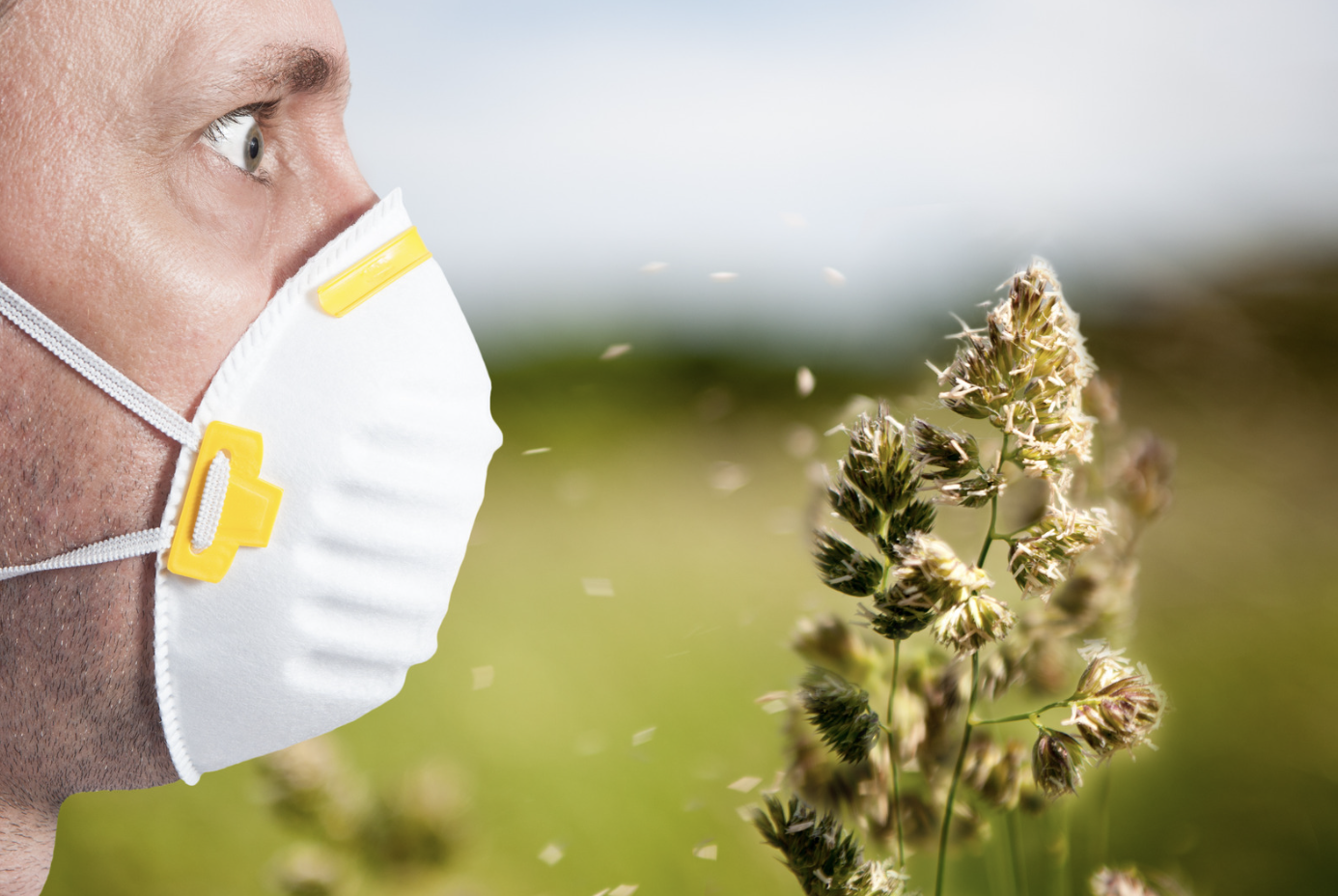
The first preventative measure for seasonal and mild allergies is to reduce _____12_____. That means staying inside during high pollen days, and using appropriate air filters in your home. But for most, allergies of some kind are unavoidable. Over-the-counter medicines can alleviate symptoms. Antihistamines are the most common medicine. They reduce the effects of _____13_____, which are a product of the immune system that works to expel allergens out of the body through sneezing and coughing. So far, there is no known cure for any allergies, but treatments can make the difference between a great day and a really miserable one for allergy sufferers.

Allergens Are Diverse
Allergens come in all shapes and sizes. The most common allergens are pollen, mold, dog or cat dander and dust mites. Food allergies can arise from soybeans, milk, nuts and more. Some people are even allergic to cockroaches. _____14_____ chemicals like latex and various medications can also cause allergies. These man-made materials and chemicals are more often associated with severe allergies. There are also some strange allergens. Rarely, it’s possible to be allergic to steak, glitter, and even the _____15_____. Allergies are annoying, but they’re a reminder that our immune system is always looking out for us. With ongoing scientific research, allergy treatment options will continue to improve as we learn more about our tough but complex immune defenses.
